While most Owensboro and Daviess County residents never see a charge for the transient room tax, the money it generates helps fuel everything from local museums to sports tourism to downtown development.
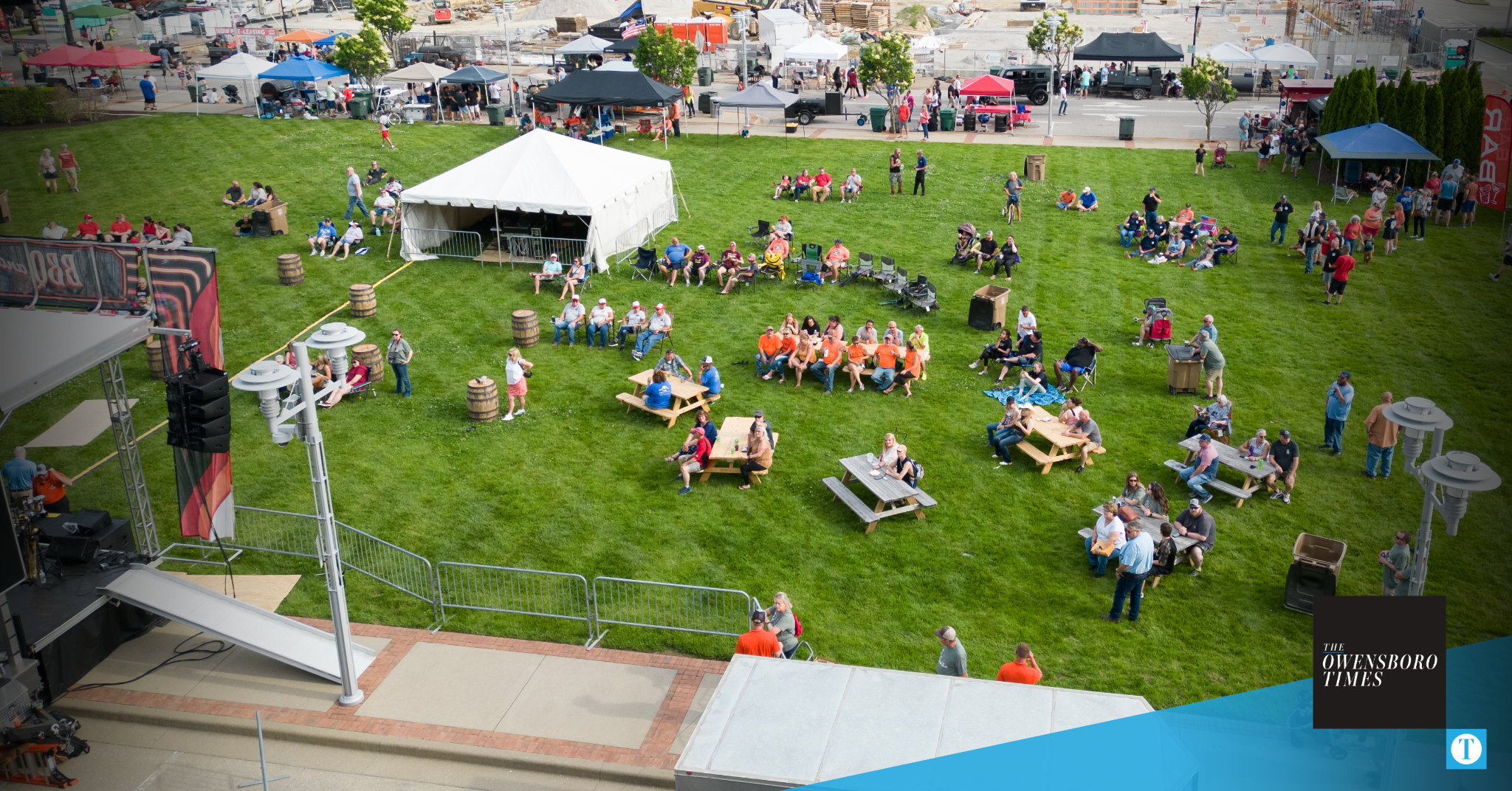
The tax is paid almost entirely by visitors staying in hotels, short-term rentals, or other temporary lodging. That includes tourists in town for conventions, tournaments, or events like BBQ & Barrels and the All-A Classic.
The funds are restricted by state law to specific uses tied to tourism and economic development, and local leaders say that’s by design.
“It shifts the burden away from residents,” said Mark Calitri, President and CEO of Visit Owensboro. “This is good money — money earned elsewhere that becomes local once visitors arrive. It allows Owensboro to invest in growth without raising taxes on the people who live here.”
How the tax is structured
The State of Kentucky allows local governments to levy up to three separate components of the transient room tax for specific purposes. In Daviess County, both the City and County have opted to levy different combinations of these components.
The City of Owensboro levies a 4% transient room tax, with 3% going toward debt service for the new Bluegrass Fieldhouse and 1% allocated to help cover operational costs at the Owensboro Convention Center.
Daviess County Fiscal Court levies a 6% transient room tax, composed of 3% to fund the CVB, 2% for bonds supporting performing arts projects, and 1% also used for Convention Center operations.
While each entity manages its own portion separately, all of the funding comes from the same source — overnight guests — and is used for purposes that support tourism, events, and cultural amenities.
City portion supports Fieldhouse and Convention Center
Angela Waninger, the City of Owensboro’s Director of Finance and Support Services, said the City’s portion is deposited into a dedicated Tourist & Convention Fund. She said the majority of the revenue is currently earmarked for the Fieldhouse, a new downtown sports complex, while the rest supports the Convention Center.
“The purpose of implementing the tax was to generate revenue from visitors and reinvest that money into tourism-generating assets that provide economic development and impact,” Waninger said.
The City also uses the tax to market Owensboro, promote events, and enhance visitor-facing services.
Waninger said the City has worked to improve compliance among short-term rental operators, using a software program called Rentalscape to track listings and identify unregistered properties.
“Hotels already collect and remit the tax — and it’s important that short-term rentals do the same,” she said.
County supports museums and arts
Daviess County Treasurer Jordan Johnson said the County’s structure was designed to reduce reliance on general fund tax dollars by using tourism-generated revenue to support venues that attract those visitors in the first place.
Those dollars support agencies and venues, including the RiverPark Center, Bluegrass Music Hall of Fame and Museum, Owensboro Museum of Science and History, Owensboro Symphony, and others.
“With the state allowing a revenue stream outside of [general fund] structure to support institutions of the performing arts, it ultimately reduces the local tax burden on citizens,” Johnson said.
Daviess County is also somewhat unique in how it can allocate excess funds from its 2% portion dedicated to performing arts. Unlike other counties, which must tie those funds to bonded debt, Johnson said Daviess County is authorized to distribute excess revenue directly to eligible entities for operational or capital use.
That flexibility has become increasingly relevant as the county has seen growth in hotel development and higher-than-expected occupancy rates, generating more revenue than originally projected.
Visit Owensboro focuses on economic return
For Visit Owensboro, the room tax is the primary revenue source used to attract events and visitors. Calitri said tourism marketing isn’t about one-time wins — it’s about keeping the economy moving.
“Tourism dollars are bucket fillers, not bucket takers,” he said. “They bring money into the community that wasn’t here before, then get reinvested to keep that cycle moving.”
He pointed to sports events like the Kentucky 2A State Tournament and the All-A Classic as examples. Those events bring thousands of out-of-town guests who stay in hotels and spend at local businesses. The new Fieldhouse, he said, is being built to capture even more of that market.
“Once open, local residents will also be able to use that facility year-round,” Calitri said. “But it exists because good money flowed in first.”
He added that if the community stopped investing in tourism promotion through the room tax, the results would be immediate and visible.
“Owensboro would host fewer events and offer fewer experiences,” Calitri said. “Restaurants and attractions would feel the drop-off. And arts and cultural groups would lose a key source of support.”
Ultimately, he said, tourism is more than a budget line — it’s an entry point to economic development.
“It introduces new people to Owensboro — some as visitors, some as future residents, business owners, or investors,” Calitri said. “Everything starts with that first visit.”